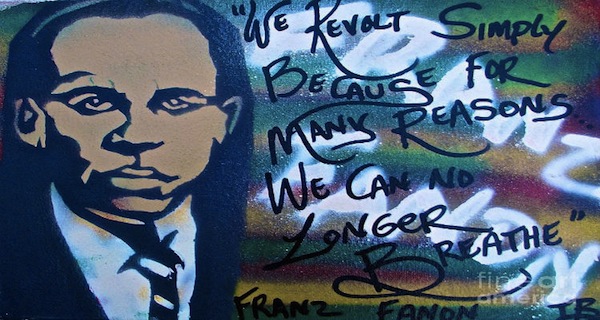
In the second paragraph of Zora Neale Hurston’s “How it Feels to be Colored Me”, she talks about the day that she became colored. Something that many people of the black community all go through at some point in their lives. The moment where they see that they are in some way different from others around them When reading this paragraph I found myself truly relating to this as well as a black man who came to realize this around the same age as her. Thus when the readers get to the seventh paragraph they can find a similar response to this realization of Hurston being colored when she says, “Someone is always at my elbow reminding me that I am the granddaughter of slaves. It fails to register depression with me. Slavery is sixty years in the past. The operation was successful and the patient is doing well, thank you.” Here she feels that no matter how much she desires not to, she is constantly reminded that she is colored and the importance of her past. Making Hurston, like many others feel like she has a new burden that she must carry, and that burden being the history of her people and the struggles they have all gone through.
In addition to her realization of her difference from others and how she is intended to carry the burden of her people, Hurston in the sixth paragraph of her text talks about “not being tragically colored.” She goes further into this when she states in the same paragraph, “There is no great sorrow dammed up in my soul, nor lurking behind my eyes. I do not mind at all. I do not belong to the sobbing school of Negrohood who hold that nature somehow has given them a lowdown dirty deal and whose feelings are all but about it.” In this quote, Hurston goes on to discuss what she calls “the sobbing school of Negrohood”. Meaning the colored people of the past who had endured slavery and are still affected by it. When looking at this quote the reader can see that Hurston is separating herself from this “sobbing school” and it’s many issues, and how badly she wishes to be free from it. She wishes to drift apart from those that continue to stay saddened by what happened to the Colored people of the past. And rather than follow the same path as them Hurston would rather not “weep at the world” since she is too busy getting herself ready. Preparing herself for the bright future she plans to create. Where she can make a name for herself and not be tied down by the burdens of the tragedies of colored people and return to just being Zora.
After reading Hurston’s “How it Feels to be Colored Me”, one could say that her desire to continue to move forward with her life and the future that is to come, is something we could equate to how Americans are dealing with racial injustice today. Dwelling in the past will not make a difference in our present-day circumstances. Thus, rather than decide to lie in sorrow and sadness, people should continue to persevere past the pain. To find ways to bring about actual change and a way to pave our own futures for ourselves. Much like Hurston did.